3-Dimensional Multifunctional Ablative Thermal Protection System (3D-MAT) for NASA’s Artemis Missions
Scroll ↓
How We Make It?
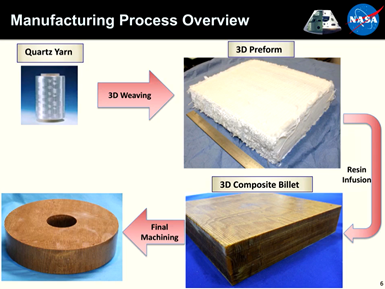
Over the past year, my role has been serving as lead manufacturing engineer, developing the correct resin infusion process along with the final machining. During this period, I've gained valuable expertise across a variety of areas. I developed both the tooling and plumbing required to accomplish this specialized infusion process, and demonstrated my versatility by converting an old 1980s hydraulic press into a complete manufacturing suite specially designed for producing 3D-MAT. I developed the infusion process itself, including work instructions for both the complete infusion process and final machining. In addition, I've served as program manager for an R&D effort to continue advancing this manufacturing process.

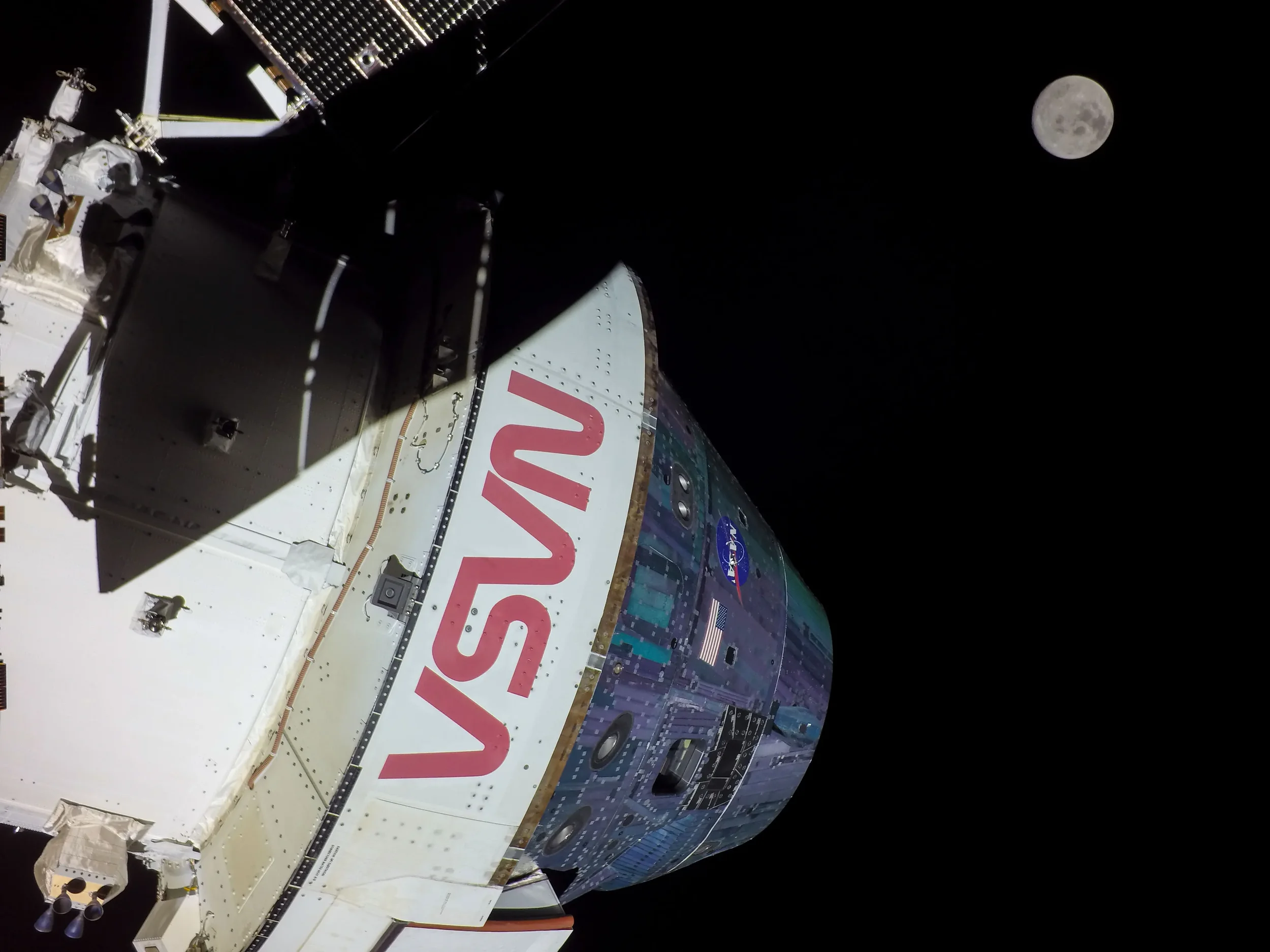
3D-MAT (3-Dimensional Multifunctional Ablative Thermal Protection System) is a critical thermal protection material developed for NASA's Orion spacecraft, built for human deep space missions. It's woven from quartz yarn and cyanate ester resin in a unique three-dimensional design, allowing it to maintain structural strength while withstanding the extreme temperatures of atmospheric reentry. The material was developed to solve a problem discovered during Orion's first test flight when the compression pad connecting the crew module to the service module needed a stronger, heat-resistant solution. 3D-MAT is now an essential piece of technology for NASA's Artemis campaign, supporting the return of humans to the Moon and laying the groundwork for future missions to Mars. Manufacturing of 3D MAT poses a unique set of challenges due to its increased volume.
What Were the Results?
This program has been a huge success within the company. What originally started as a small R&D effort has turned into a full-scale manufacturing effort for future Artemis missions. We've successfully manufactured over 30 individual billets of 3D-MAT, achieving less than 2% porosity on every single billet with zero scrapped parts. In addition, we've made manufacturing changes to help cut lead times and continue improving the process for future missions. The successful manufacturing of these billets will help enable humans to travel safely to and from the Moon for the first time in over 50 years!