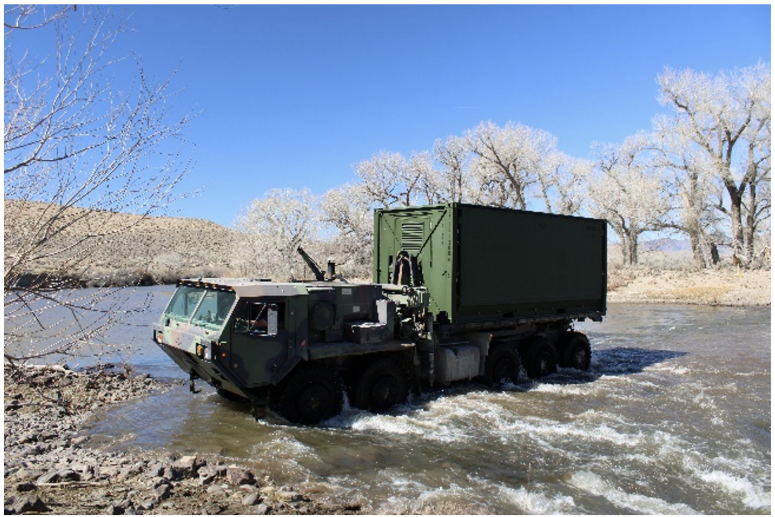
Field Optimized Advanced Manufacturing Pod
Scroll ↓
What is the Field Optimized Advanced Manufacturing Pod?

The Field Optimized Advanced Manufacturing (FOAM) Pod is a rapidly deployable, expeditionary manufacturing system designed to produce metal replacement parts at the point of need. Housed within a standard 20-foot CONEX container, the system provides advanced additive manufacturing capabilities in austere environments to improve military readiness and reduce logistical constraints.
Key Features
20-foot CONEX container with expandable walls, roof, and floor, tripling the workspace in under 45 minutes.
Produces metal components up to 10 in. × 10 in. × 10 in. using additive manufacturing.
Successfully validated to MIL-STD-810H for rugged, field-deployable operation.
Achieved Technology Readiness Level 7 (TRL 7) through operational demonstrations.
Successfully deployed during Trident Warrior 2025, the Department of Defense's largest additive manufacturing demonstration.
Designed for expeditionary manufacturing, sustainment, and repair in remote or contested environments.
Engineered for safe operation, ease of maintenance, and rapid field deployment.
My Role in the Development of the FOAM Pod
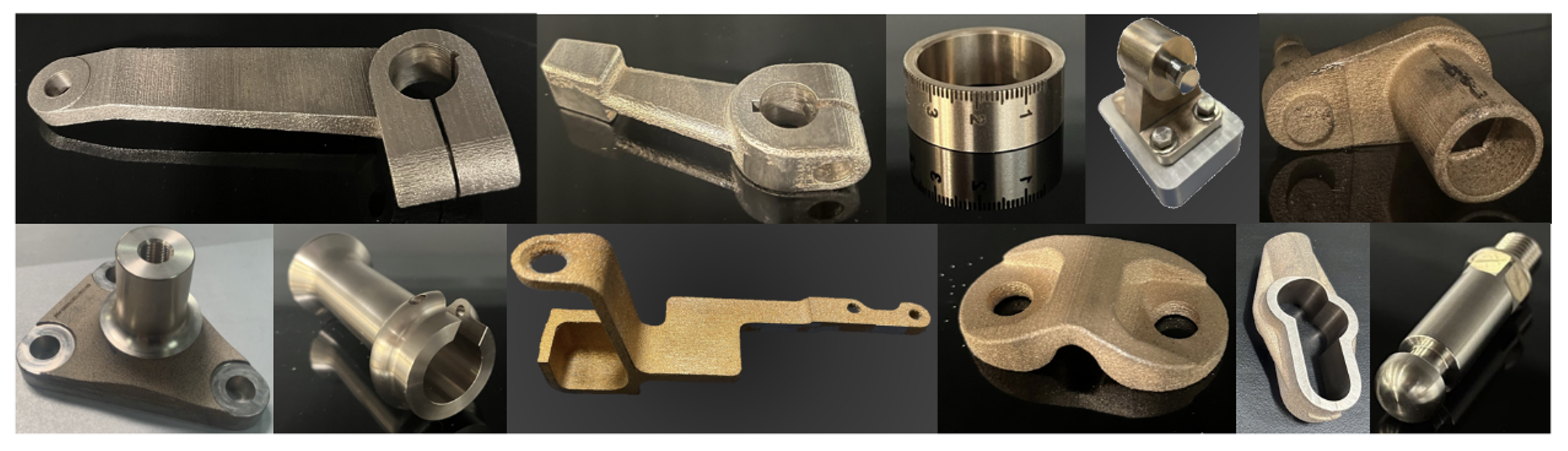
I made several key contributions to the development of this next-generation expeditionary manufacturing shelter, supporting its transition from concept to a fully operational prototype.
I played a significant role in part production, testing, and material qualification. I performed ASTM mechanical testing to characterize the tensile properties and hardness of 3D-printed stainless steel, contributing to the development of the material property database. I also produced hundreds of parts by operating the metal 3D printers, ovens, and furnaces, and designed and executed test programs that replicated real-world service conditions to validate component performance. In addition, I prepared and submitted more than 15 Source Approval Requests (SARs) for the U.S. Army and U.S. Marine Corps.
I led the mechanical integration of the manufacturing equipment within the shelter, ensuring each system fit seamlessly into the available space while meeting operational requirements. I also performed vibration and shock analyses for each major piece of equipment to verify survivability during transportation and field deployment.
Finally, I developed the comprehensive test plan for the shelter and authored the procedures for system-level validation. This included MIL-STD-810H testing for on-road and off-road transportation, as well as drop testing. I oversaw the execution of testing at the Nevada Automotive Test Center (NATC), where the FOAM Pod successfully demonstrated its ruggedness and operational readiness.
FOAM Pod Program Outcomes
This program successfully demonstrated the viability of additive manufacturing as a solution for producing structurally sound replacement parts in austere and time-critical environments. Hundreds of components were produced using the FOAM Pod system, validating the capability to rapidly manufacture mission-critical hardware on demand. Additionally, the successful approval of Source Approval Requests through military channels demonstrated the ability to provide qualified replacement parts for operational environments where traditional supply chains may be limited.
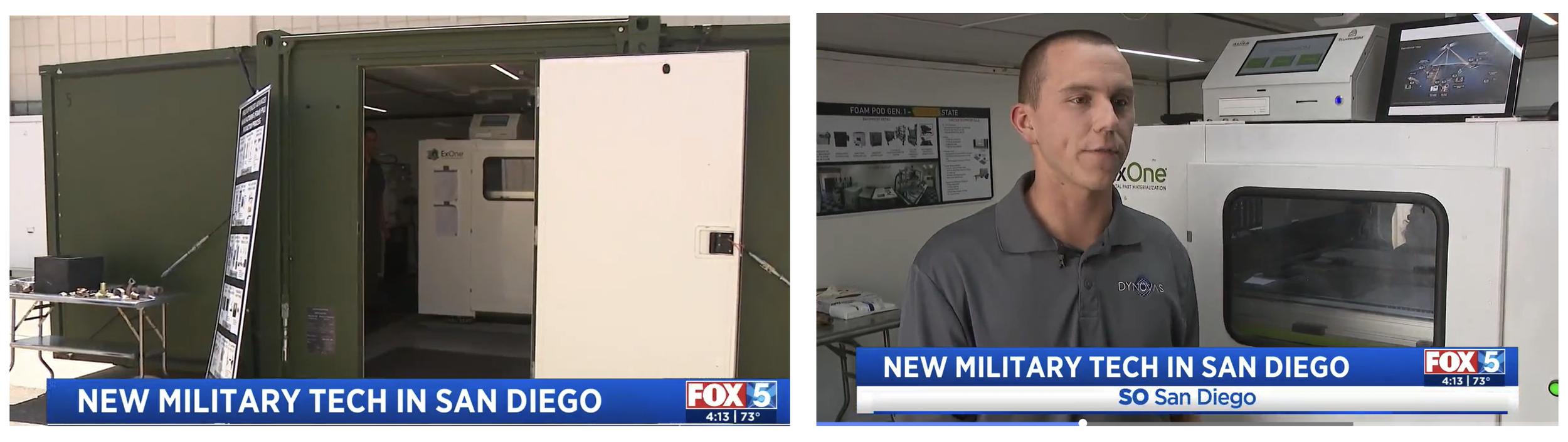
To showcase the impact of this technology, I worked alongside the U.S. Marine Corps during a major field exercise to demonstrate the advantages of expeditionary additive manufacturing. Over the course of a three-week deployment, we transported, set up, and operated the manufacturing shelter in an operational environment at Naval Base Coronado. During the exercise, we produced a series of replacement components that highlighted the capabilities of the technology I helped develop. The success of this demonstration gained significant recognition, including coverage through a media interview highlighting the future of advanced manufacturing.